top of page

Y Tu Hwnt i Amheuon Rhesymol

.jpeg)


Language


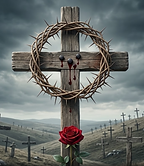


Choose this day whom you will serve...
![IF you're With God you're in the Spirit
IF you're against God you're in the flesh
"God is spirit, and his worshipers must worship in the Spirit and in truth." John 2:24
Meaning Breakdown
In Spirit: Worship comes from the heart, not just external rituals.
In Truth: Worship must align with the reality of who God is as revealed in scripture.
The Shift: Holy devotion moves from a physical place to a spiritual state. [1, 2, 3]
The dry wind swept through the broad valley of Shechem, rustling the heavy leaves of the ancient terebinth tree and stirring the dust around the feet of tens of thousands gathered between the sheer rock faces of Mount Ebal and Mount Gerizim. Eliezer stood near the edge of his clan’s encampment, his young sons at his side and his wife’s hand resting upon his arm. All around them, the murmuring of the assembly rose like the sound of distant surf.
For seasons, a slow and subtle erosion had crept into the camp. In the fertile hills, neighboring Canaanite merchants spoke of rainfall gods and harvest idols—rituals built on ease, cultural compromise, and immediate gain. Many in the tribes had begun to blend the holy with the profane, keeping an altar to the Lord while hedging their bets with the idols of the land. Eliezer had felt that quiet pressure, the unspoken temptation to soften convictions just enough to fit the shifting winds of the culture.
Then an aged figure stepped forward onto the stone platform before the sanctuary.
Joshua’s hair was white as wool, his shoulders weathered by a lifetime of wilderness marching and battle, yet his eyes burned with an unclouded clarity. He did not appeal to opinion polls, nor did he offer concessions to modern sensibilities. His voice rolled across the limestone cliffs with the force of an iron trumpet, recounting every river crossed, every wall brought low, and every promise kept by the hand of the Creator.
The old commander paused, looking across the vast expanse of the twelve tribes, cutting through every gray area that had clouded their resolve.
"And if it seem evil unto you to serve the Lord, choose you this day whom ye will serve," Joshua cried out, his arm sweeping toward the distant hills. "Whether the gods which your fathers served that were on the other side of the flood, or the gods of the Amorites, in whose land ye dwell!"
A profound, breath-holding silence fell over the valley. The assembly waited for a council, a consensus, or a compromise. But Joshua did not wait for the multitude to vote. He drove his staff firmly into the dry earth.
"But as for me and my house, we will serve the Lord."
The words rang against the mountains and struck Eliezer’s heart like a hammer against an anvil. In that single, unyielding sentence, the illusion of neutral ground dissolved. Eliezer looked down at his sons, realizing that the spiritual compass of his family could never be outsourced to the crowd or swayed by convenience. It began at his own hearth, anchored in the unwavering covenant of the Living God.
Stepping forward from the shadow of the canopy, Eliezer raised his hand toward the altar stone, joining the resolute cry that rose through the valley. The line was drawn, the altar of the home was established, and the of wholehearted obedience was sealed for generations to come.](https://static.wixstatic.com/media/3e5f5f_9f54cca9dc9c43e28805fac547c15d47~mv2.png/v1/fill/w_369,h_206,al_c,q_85,usm_0.66_1.00_0.01,enc_avif,quality_auto/Image-empty-state.png)
IF you're With God you're in the Spirit
IF you're against God you're in the flesh
"God is spirit, and his worshipers must worship in the Spirit and in truth." John 2:24
Meaning Breakdown
In Spirit: Worship comes from the heart, not just external rituals.
In Truth: Worship must align with the reality of who God is as revealed in scripture.
The Shift: Holy devotion moves from a physical place to a spiritual state. [1, 2, 3]
The dry wind swept through the broad valley of Shechem, rustling the heavy leaves of the ancient terebinth tree and stirring the dust around the feet of tens of thousands gathered between the sheer rock faces of Mount Ebal and Mount Gerizim. Eliezer stood near the edge of his clan’s encampment, his young sons at his side and his wife’s hand resting upon his arm. All around them, the murmuring of the assembly rose like the sound of distant surf.
For seasons, a slow and subtle erosion had crept into the camp. In the fertile hills, neighboring Canaanite merchants spoke of rainfall gods and harvest idols—rituals built on ease, cultural compromise, and immediate gain. Many in the tribes had begun to blend the holy with the profane, keeping an altar to the Lord while hedging their bets with the idols of the land. Eliezer had felt that quiet pressure, the unspoken temptation to soften convictions just enough to fit the shifting winds of the culture.
Then an aged figure stepped forward onto the stone platform before the sanctuary.
Joshua’s hair was white as wool, his shoulders weathered by a lifetime of wilderness marching and battle, yet his eyes burned with an unclouded clarity. He did not appeal to opinion polls, nor did he offer concessions to modern sensibilities. His voice rolled across the limestone cliffs with the force of an iron trumpet, recounting every river crossed, every wall brought low, and every promise kept by the hand of the Creator.
The old commander paused, looking across the vast expanse of the twelve tribes, cutting through every gray area that had clouded their resolve.
"And if it seem evil unto you to serve the Lord, choose you this day whom ye will serve," Joshua cried out, his arm sweeping toward the distant hills. "Whether the gods which your fathers served that were on the other side of the flood, or the gods of the Amorites, in whose land ye dwell!"
A profound, breath-holding silence fell over the valley. The assembly waited for a council, a consensus, or a compromise. But Joshua did not wait for the multitude to vote. He drove his staff firmly into the dry earth.
"But as for me and my house, we will serve the Lord."
The words rang against the mountains and struck Eliezer’s heart like a hammer against an anvil. In that single, unyielding sentence, the illusion of neutral ground dissolved. Eliezer looked down at his sons, realizing that the spiritual compass of his family could never be outsourced to the crowd or swayed by convenience. It began at his own hearth, anchored in the unwavering covenant of the Living God.
Stepping forward from the shadow of the canopy, Eliezer raised his hand toward the altar stone, joining the resolute cry that rose through the valley. The line was drawn, the altar of the home was established, and the of wholehearted obedience was sealed for generations to come.
bottom of page